Why Locals Keep Coming Back to Pie Cafe Colorado Springs
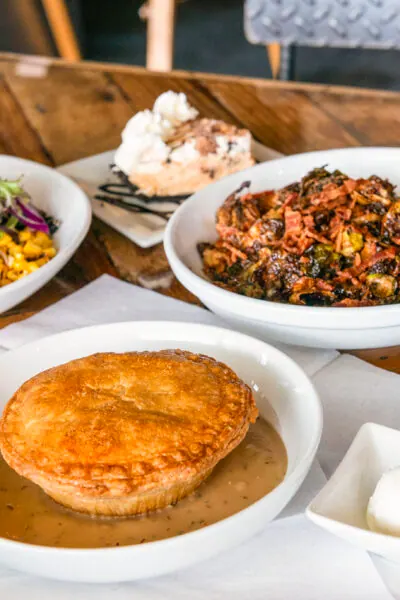
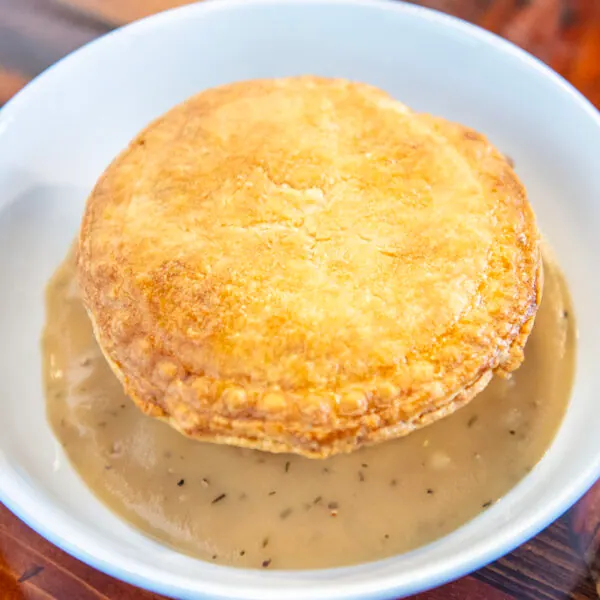

Some restaurants live on novelty. They win attention with a grand opening, a photogenic dish, or a burst of social media chatter, then spend the next year trying to keep up with their own hype. Neighborhood cafés work by a different set of rules. They earn loyalty one ordinary visit at a time. That is the real story behind why locals keep coming back to Pie Cafe Colorado Springs.
People do not https://charlieqkvf466.image-perth.org/why-everyone-is-talking-about-pie-cafe-colorado-springs return week after week because a place is trendy. They come back because it fits into real life. It serves food that feels satisfying on a Tuesday afternoon, not just on a celebratory Saturday. It makes room for solo diners, families with kids, retirees lingering over coffee, and professionals grabbing lunch between meetings. It gets the small things right often enough that regulars stop thinking about where to eat and simply head there.
That kind of loyalty is hard to fake. It usually grows from a mix of consistency, warmth, value, and a menu that understands comfort without becoming predictable. In a city like Colorado Springs, where people have choices ranging from chains to ambitious independent kitchens, repeat business says more than a flashy review ever could.
Familiarity matters more than novelty
The restaurant industry likes to talk about innovation, but most repeat customers are not chasing innovation at noon on a workday. They want a place they can trust. A local pie café succeeds when people know what kind of experience they are walking into before they open the door.
That does not mean the food should feel stale or overly safe. It means the place has a stable identity. The coffee tastes the way it should. The crust is what customers remember from their last visit. The slices look generous. The service feels practiced rather than scripted. For locals, that reliability becomes a form of relief.
Anyone who has spent time in food service knows how rare consistency really is. One day a café nails the bake, the next day the filling is loose, the espresso runs bitter, and the front counter feels rushed. A place that keeps standards steady over time wins trust quietly. Regulars notice. They may never phrase it in technical terms, but they feel it every time they order.
That is one reason the appeal of pie cafe colorado springs goes beyond simple hunger. A dependable neighborhood café becomes part of a person’s routine. It turns into the place where they know they can get a solid lunch, a decent coffee, or a dessert that actually feels worth the calories.
Pie has an emotional advantage that other foods do not
Few foods carry as much emotional memory as pie. Burgers can be craveable. Pizza can be social. Pastries can feel elegant. Pie, when it is done well, reaches somewhere more personal. It can remind people of holidays, grandparents, roadside diners, church suppers, and family kitchens. Even for customers without a nostalgic attachment, pie communicates comfort almost instantly.
That matters in Colorado Springs. It is a city with deep military ties, a steady flow of newcomers, and plenty of residents balancing busy schedules with a strong pull toward home and community. Foods that feel rooted, generous, and familiar have an advantage here. Pie lands right in that zone.
The best cafés understand that pie is never just pie. A good savory slice can solve lunch in a way that feels more satisfying than a standard sandwich. A fruit pie after a rough day can reset a mood. A cream pie shared at a table can slow people down enough to actually talk. Those moments are small, but small moments are exactly what build regulars.
Locals rarely come back only for flavor notes or menu creativity. They come back because the experience gives them something steady. Pie does that better than many foods because it feels substantial, hospitable, and unpretentious all at once.
A menu that covers more than dessert keeps a café useful
One common mistake in this category is to assume that people only want pie as a treat. That may draw first-time visitors, but it does not build the kind of traffic that sustains a neighborhood business. A café has to be useful. It has to make sense for different times of day and different kinds of appetites.
A strong pie café usually understands this instinctively. Savory options matter. So do soups, salads, coffee, and a few dependable grab-and-go choices. Customers may arrive because they are curious about pie, then become regulars because the café solves lunch, catches an afternoon break, or offers a casual meeting spot.
From an operational standpoint, this is smarter than relying on dessert alone. It broadens the customer base and smooths out traffic through the day. From the guest’s perspective, it removes friction. They do not have to invent a reason to visit. The café becomes a practical option, not an occasional indulgence.
That distinction is where loyalty starts. Plenty of people love the idea of pie. Fewer build habits around places that only satisfy a once-in-a-while craving. When a café handles both comfort and convenience, it stops being a novelty stop and becomes part of the local eating landscape.
Locals notice when a place feels genuinely local
There is a specific difference between a café that operates in a city and one that feels connected to it. Residents can tell. The first kind could be dropped into any mid-sized market in the country with the same menu board and the same décor. The second kind reflects the pace, preferences, and personality of its neighborhood.
Colorado Springs is not short on food options, but locals often gravitate toward places that feel grounded rather than generic. That does not require rustic branding or forced folksiness. It usually comes down to texture. Staff remember faces. The room does not feel overdesigned. The menu has some personality. The portions make sense for actual people, not for an advertising photo shoot.
A local café also tends to understand the rhythms of the city. It knows there will be customers coming from nearby offices, parents after school pickup, retirees who prefer an early lunch, and weekend visitors looking for a slower meal. When a place accommodates all of them without becoming chaotic, it earns a kind of broad civic usefulness. That is more powerful than trendiness.
People often use the word community too loosely in restaurant writing. Real community is not a slogan on a wall. It is regular recognition. It is the subtle nod from staff who remember what you ordered last time. It is seeing neighbors there without planning to. It is trusting that if you bring a friend, you will not have to apologize for your recommendation.
The service style is probably doing more work than the menu gets credit for
Food gets the headlines, but service decides whether people return. This is especially true in a café setting, where customers are not usually looking for formal hospitality. They want ease. They want a transaction that feels human, competent, and unrushed, even when the room is busy.
The best neighborhood cafés train this instinct into the operation. Guests are greeted promptly, but not pounced on. Questions about options are answered without impatience. Special requests are handled with a little grace. The room moves with enough speed to respect people’s time, but not so much speed that everything feels transactional.
These details sound modest until they go wrong. A great slice of pie cannot fully make up for a tense counter interaction, a forgotten coffee, or the sense that customers are being processed rather than welcomed. On the other hand, warm and capable service can carry enormous weight. It gives the food a better frame. It makes occasional mistakes easier to forgive. It turns first-time guests into people who think, I could see myself coming back here.
That is a large part of why locals stick with a place once they trust it. Hospitality, at its best, reduces decision fatigue. Customers know they will be treated well enough, fed well enough, and sent back into the day in a better mood than they arrived.
Value is not just about low prices
When customers talk about value, they rarely mean the cheapest possible meal. They mean fairness. They want portions that match the price, ingredients that taste worth paying for, and an experience that does not feel padded with gimmicks.
In a pie café, value can show up in several ways. A generous savory slice can stand in for a full lunch. A dessert shared between two people can feel like a small luxury without becoming an expensive outing. Coffee that is properly brewed and served at the right temperature does not need to be the city’s cheapest cup to feel like a good buy.
This is where many local favorites quietly outperform trend-driven competitors. They may not dominate social feeds, but they deliver a satisfying exchange. Customers leave feeling that what they spent made sense. That impression compounds over time. It turns casual approval into routine patronage.
For families especially, perceived value matters even more than advertised deals. Parents notice whether a meal actually fills people up. They remember whether service was smooth enough to make dining out feel manageable. They pay attention to whether dessert feels special rather than inflated. A café that gets these things right becomes a default choice for low-stakes celebrations and ordinary meals alike.
Comfort food still needs craftsmanship
Calling something comfort food should not lower the bar. In fact, it often raises it. When dishes seem simple, flaws stand out more clearly. Pie is a good example. There is nowhere to hide a bad crust, an underseasoned filling, or a soggy bottom. Customers may not use bakery terminology, but they recognize quality quickly.
A well-made pie depends on balance. The crust should hold structure without becoming tough. Sweet fillings need enough acidity or spice to avoid tasting flat. Savory pies need real depth, not just heaviness. Portioning matters. Bake times matter. Holding times matter even more in service, where a slice can go from appealing to tired if it sits too long.
Regulars come back when a café respects these fundamentals. They may not say, “I appreciate the lamination on your crust,” but they will say, “It’s just really good every time.” That sentence usually reflects disciplined execution behind the scenes.
There is also an honesty to pie when it is done properly. Customers can see the fruit, the cream, the edges of the crust, the thickness of the filling. It is less forgiving than foods hidden under sauces or stacked with distractions. A place that earns repeat visits in this category is usually doing solid technical work, whether or not guests know how to describe it.
Atmosphere can either invite regulars or repel them
Some cafés are designed for a photo. Others are designed for actual use. Locals almost always prefer the second type.
That does not mean atmosphere is unimportant. It means comfort and function matter more than self-conscious style. Seating should make sense for both brief and longer visits. Lighting should feel warm but bright enough to read a menu. Noise should allow conversation without making the room feel dead. Traffic flow should not trap people at the register or crowd those already seated.
The rooms that keep regulars usually share a few qualities:
- They feel approachable, not overly precious.
- They work for both solo guests and small groups.
- They support a quick stop or a relaxed sit-down without tension.
- They stay clean and orderly, even during a rush.
- They encourage people to linger just enough, without making turnover impossible.
That balance is harder to achieve than it looks. If a café leans too hard into coziness, service can bog down and seating becomes scarce. If it prioritizes efficiency too aggressively, the place loses warmth. The sweet spot is a room that feels alive, useful, and easy to inhabit. That is the kind of environment locals fold into their weekly routines.
The café becomes part of people’s personal geography
One of the strongest signs of a neighborhood favorite is that customers stop talking about it as a destination and start talking about it as part of their route. They swing by after an appointment. They meet a friend there because it is easy. They pick up dessert on the way home. The place enters the map of daily life.
Restaurants underestimate how much this matters. Habit drives more dining decisions than aspiration does. People do not always choose the single best meal available. They choose the place that fits the moment with the least friction. A café that offers parking, predictable service, practical hours, and food people actually want develops a major advantage over technically excellent but inconvenient competitors.
This is why repeat business can look almost ordinary from the outside. A regular may come in every Thursday after a nearby errand, order the same coffee, and take home a slice for later. Another may stop in monthly after a hike or before visiting family. These patterns do not create dramatic stories, but they create durable revenue and real local attachment.
For pie cafe colorado springs, that habit-forming role is likely a core reason locals keep returning. Not because every visit is an event, but because the café serves the kind of dependable pleasure people can realistically revisit.
Seasonal variation helps, but only when it respects the core
Locals appreciate change, but they do not want a café to reinvent itself every month. The smartest approach is usually seasonal adaptation built on a stable foundation. Keep the favorites people depend on, then rotate in a few timely offerings that give regulars a reason to look twice.
Pie lends itself naturally to this rhythm. Fruit-driven choices feel different in warmer months than they do in late fall. Richer flavors make more sense when the weather cools. Savory options can shift too, depending on what customers crave during a snowy week versus a bright summer afternoon.
The key is restraint. If a café changes too much, regulars lose the comfort of familiarity. If it never changes, the menu can feel sleepy. Good operators understand the tension and manage it carefully. They protect what people come for while leaving just enough room for surprise.
That kind of menu judgment often separates enduring local businesses from places that burn bright and fade. Customers do not need endless reinvention. They need evidence that the kitchen is paying attention.
There is a difference between being popular and being woven into a city
A busy restaurant can still be forgettable. A truly local favorite occupies a different category. It becomes part of how residents experience their city. Visitors may discover it, but locals define it.
That happens through repetition and trust more than through hype. Teachers stop in after work. Office staff bring out-of-town colleagues. Grandparents take grandchildren for dessert. Friends agree to meet there because nobody needs convincing. Over time, the café collects these ordinary rituals and becomes larger than its menu.
The places that earn this status are rarely perfect. They may have a line on weekends. Parking may be uneven at peak times. A favorite item may sell out earlier than hoped. But customers forgive manageable friction when the underlying experience feels worthwhile. In some cases, minor inconvenience even reinforces the sense that the place is in demand for good reason, though only up to a point.
A café does not need to be everyone’s top choice for every occasion. It simply needs to own its role clearly and execute it well. When locals know exactly what a place does for them, they return with confidence.
What regulars are really saying when they come back
People do not always articulate their loyalty with precision. They say things like, “It’s just good,” or, “I like the feel of it,” or, “We always end up there.” Underneath those casual remarks are a few consistent judgments.
- The food delivers comfort without cutting corners.
- The service feels competent and kind.
- The place fits real schedules and real budgets.
- The atmosphere supports both habit and pleasure.
- The experience stays steady enough to trust.
Those are not glamorous reasons, but they are powerful ones. They are the reasons restaurants survive long after trend cycles move on.
That is why locals keep coming back to Pie Cafe Colorado Springs. Not because loyalty is automatic, and not because pie alone does all the work. They come back because a neighborhood café can offer something increasingly valuable: a place that feels dependable without being dull, welcoming without being forced, and special without requiring a special occasion.
When a café reaches that balance, it no longer has to chase attention. The regulars do the talking every time they walk back through the door.
3.14 Pi Bar
5152 Centennial Blvd
Colorado Springs, CO 80919
(719) 314-6172
FAQ About pie cafe colorado springs
Does 3.14 Pi Bar serve sweet and savory pies?
Yes. The café serves savory pot pies and seasonal sweet pies made from scratch. Flavors can vary.
Can I order a whole pie to take home?
Yes. The café sells whole sweet pies to take home. Check the current menu for flavors and ordering options.
Does 3.14 Pi Bar offer take-and-bake pies?
Yes. The café offers prepared pies that you can bake at home. Check the current menu for available varieties.