Southern Restaurant Pittsburgh, PA: Rich Flavors, Warm Welcome
Pittsburgh has never been a one-note food town. Its dining culture has always reflected movement, labor, immigration, and adaptation. Steelworkers wanted hearty plates. Neighborhood families carried recipes across generations. New chefs arrived, looked around, and figured out how to make the city’s appetite their own. That is part of why a strong southern restaurant in Pittsburgh, PA feels so right. Southern cooking belongs in places that understand comfort, resilience, and the power of a generous table.
Done well, southern food is not a costume and not a gimmick. It is disciplined cooking with deep roots. The flavors are often bold, but the craft is subtle. Great fried chicken depends on timing, moisture control, and seasoned flour that actually tastes like something. Shrimp and grits can go flat in a hurry if the grits are bland or the shrimp overcook by thirty seconds. Greens need patience. Biscuits need a light hand. Barbecue needs judgment more than swagger.
When diners look for southern food in Pittsburgh, they usually want more than one thing at once. They want warmth, flavor, a little indulgence, and that unmistakable sense that somebody in the kitchen cares how the plate lands. The best places deliver exactly that. They understand that hospitality starts before the food arrives and lingers after the last bite.
Why southern food resonates in Pittsburgh
There is a practical reason southern cuisine works here. Pittsburgh knows cold weather, layered meals, and food that satisfies rather than merely decorates the plate. A city built on shift work and family tables responds naturally to dishes that are braised, smoked, fried, baked, and served with intent. Mac and cheese, cornbread, smothered chicken, catfish, black-eyed peas, candied yams, and bread pudding all make emotional sense in a place where the seasons can be gray for long stretches.
There is also a cultural reason. Southern food carries stories. Some are joyful, some difficult, many inseparable from the history of Black American cooking, migration, church suppers, roadside stands, holiday gatherings, and Sunday dinners that stretched for hours. In a city like Pittsburgh, where neighborhoods often define dining habits as much as price or trend, that story-rich quality matters. People do not just eat the meal, they often connect to it. Sometimes it reminds them of family from Georgia, the Carolinas, Alabama, Tennessee, or Louisiana. Sometimes it introduces them to traditions they never grew up with but immediately understand through taste.
I have seen this happen at tables where one guest orders with nostalgia and another orders with curiosity. The first person says the collards are close to what their grandmother made, maybe a little smokier, maybe less pot liquor, but close. The second person takes a bite of the same greens and finally understands why people care so much about a side dish. That exchange is a quiet measure of a restaurant doing its job.
What defines a strong southern restaurant
A convincing southern restaurant does not need to represent every region below the Mason-Dixon Line. In fact, trying to do all of it usually leads to muddy identity. Southern cooking is broad. Lowcountry food is not the same as Memphis barbecue. New Orleans classics differ sharply from Appalachian staples. Texas smoke traditions have their own gravity. A smart restaurant chooses its lane, or at least chooses a few lanes it can drive with confidence.
What matters most is coherence. The menu should feel like it belongs to one kitchen with one point of view. If the kitchen leans toward Nashville-style heat, Carolina vinegar tang, Creole depth, or classic soul food comfort, that should come through clearly. Guests notice when a menu reads like a shortcut compilation of southern greatest hits rather than a thoughtful expression of actual cooking.
Technique reveals a lot. Fried food should arrive crisp and well-drained, not greasy and tired. Seasoning should be layered, not dumped on at the end. Heat should have purpose. Sweetness should support rather than overwhelm. Smoke should taste clean. Gravy should have body, not gluey thickness. Even something as simple as mashed potatoes can tell you whether the restaurant respects fundamentals.
Then there is pacing. Southern food has a reputation for abundance, but abundance without rhythm can feel heavy. Good kitchens know when to balance rich mains with bright pickles, pepper vinegar, slaw, lemon, herbs, or a cleaner finish in dessert. That balance keeps a meal generous without becoming punishing.
The dishes that separate the memorable from the forgettable
Plenty of restaurants can serve comfort food. Fewer can make it memorable. The difference often comes down to a handful of touchstone dishes.
Fried chicken is still the test most diners trust. It looks straightforward until you cook a few hundred pieces in service. The crust needs color without burning. The meat needs full seasoning without relying on salt alone. White meat needs moisture. Dark meat needs enough time to tenderize but not so much that the coating loses its structure. A restaurant that nails fried chicken repeatedly is showing real operational skill, not luck.
Biscuits are another truth teller. There is nowhere to hide with a biscuit. If it is dense, dry, too salty, too pale, or oddly sweet, the whole meal loses credibility. A proper biscuit should break open with visible layers, hold a swipe of butter without collapsing, and leave a light trace of flour and richness on the palate. You should want a second one even when you know you do not need it.
Shrimp and grits can reveal whether a kitchen respects texture. Grits should be creamy, not runny and not stiff enough to slice. Shrimp should snap lightly when bitten, never squeak, never slump. The sauce might lean savory with bacon, garlic, and stock, or richer with cream and cheese, but there should be contrast. If everything on the plate has the same soft texture, the dish dies before it begins.
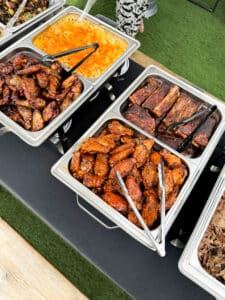
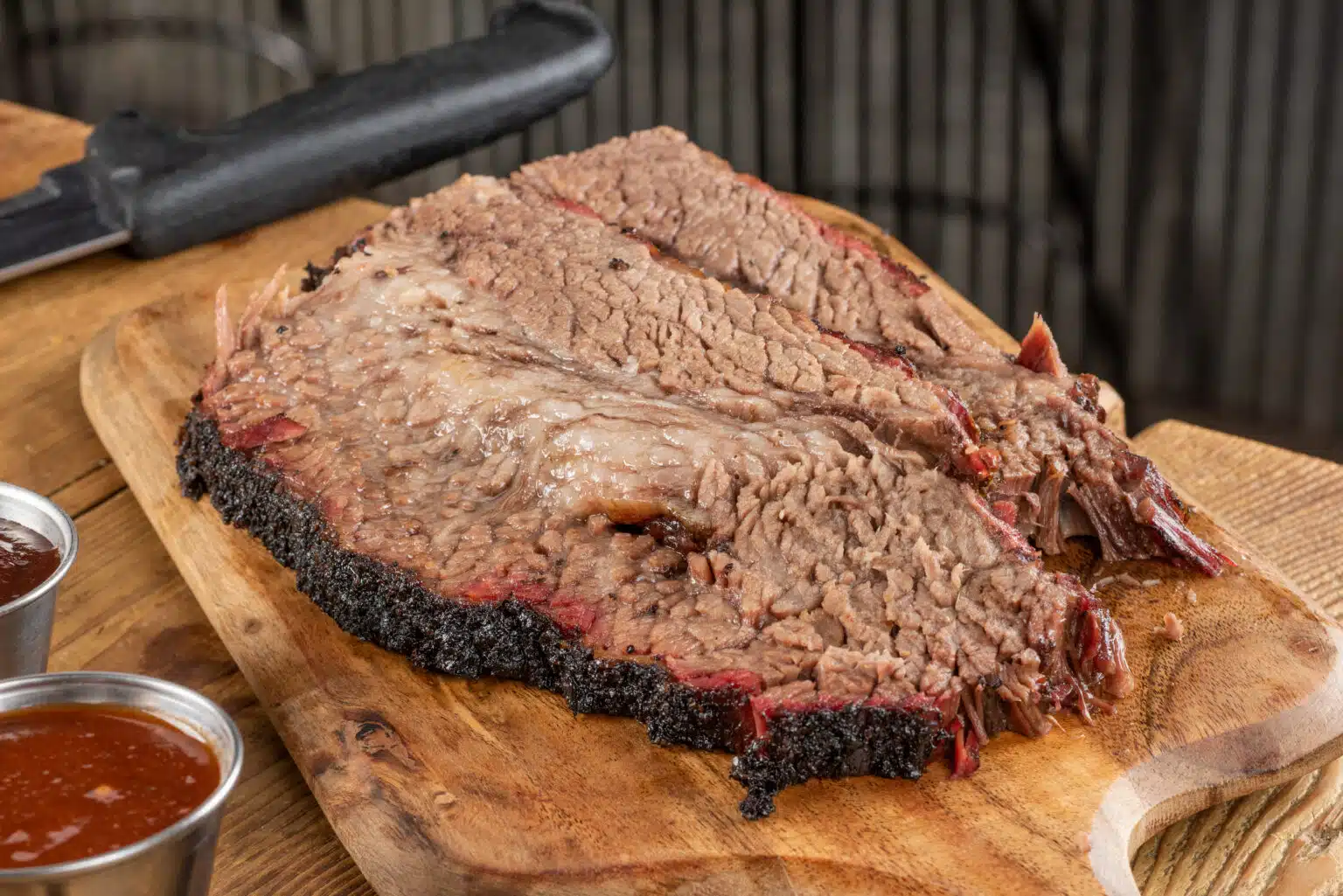
Smoked meats raise the stakes higher. Pittsburgh diners know hearty food and they know value, so barbecue and smoked turkey, ribs, brisket, or pulled pork will be judged hard. Smoke should accent the meat, not flatten it. Bark should carry seasoning without becoming bitter. Sauce, if used, should support the meat rather than rescue it. I have had plates where the smoke ring looked dramatic but the flavor felt one-dimensional, all wood and salt with no life left in the meat. Visual appeal counts, but tenderness and flavor carry the verdict.
Sides deserve equal attention. The best southern restaurants never treat sides as filler. Mac and cheese should have structure, not just molten excess. Greens should taste of careful braising. Cornbread should choose a style and commit, whether sweet, savory, cakey, or crumbly. Potato salad, baked beans, okra, hoppin’ John, slaw, and yams each bring different texture and temperature to the table. When those dishes are thoughtful, the meal feels composed instead of piled high.
Hospitality is half the experience
The phrase “warm welcome” can sound generic until you experience the real thing. In a southern restaurant, hospitality often takes shape through details that are easy to overlook if you only focus on the menu. The greeting is direct and unforced. Servers know which dishes run spicy, which sides pair best, and which portions are larger than they look. Water glasses stay filled. Plates arrive with timing that makes sense. Questions about ingredients are answered with confidence rather than guesswork.
That kind of service matters in Pittsburgh, where diners are generally receptive but not endlessly patient with polish for its own sake. They appreciate friendliness, but they also appreciate competence. A restaurant can have all the reclaimed wood, mason jars, and vintage signage in the world, but if the host stand is disorganized and the food drags, the atmosphere starts to feel staged.
The best southern spots understand that comfort starts with predictability. You want to know that if you bring a visiting relative, a work colleague, or your children, the meal will feel welcoming rather than chaotic. That does not mean formal service. It means grounded service. If the room is lively, let it be lively. If it is intimate, let it be intimate. Just make sure the guest feels taken care of.
Finding the right fit for the occasion
Not every southern restaurant serves the same purpose. Some are ideal for a relaxed weeknight dinner when you want fried catfish, greens, and a slice of pie after a long day. Others are built for brunch, where chicken and waffles, biscuits with sausage gravy, and shrimp over stone-ground grits draw a crowd before noon. Some lean into smoke and sauce for larger gatherings. Others present southern food with a more contemporary hand, better suited to date night or small celebrations.
That range matters because Pittsburgh diners often choose restaurants based on context as much as cuisine. Parking, neighborhood access, reservation policies, portion size, and noise level all influence whether a place becomes a regular stop or a once-a-year outing. A family from the suburbs may prioritize easy parking and broad menus. Younger diners in the city may care more about cocktails, walkability, and a compact but sharper menu. Neither approach is wrong. Good operators know their audience and shape the experience accordingly.
If you are trying a southern restaurant in Pittsburgh, PA for the first time, a little menu strategy goes a long way. The smartest move is often to mix signatures with fundamentals. Order one item the house clearly cares about, then add a couple of staples that expose technique.
- Start with one benchmark dish such as fried chicken, shrimp and grits, or ribs.
- Add at least two sides that test the kitchen, often greens, mac and cheese, cornbread, or slaw.
- Ask which item sells out or draws repeat regulars, that answer can be revealing.
- If dessert is made in-house, save room for it.
- When dining with a group, share widely enough to taste contrast, not just quantity.
That approach usually tells you more than ordering the biggest platter on the menu.
The role of ingredients and sourcing
Southern cooking often gets described as rustic, but that should never be confused with careless. Ingredient quality matters. Chicken quality affects juiciness. Cornmeal quality affects texture and flavor in hush puppies and cornbread. Greens vary significantly by freshness and age. Sausage can define a gravy or a pot of beans. Butter matters in biscuits more than many guests realize. Even hot sauce selection can reveal whether a restaurant thinks carefully about flavor or just grabs whatever is common.
In western Pennsylvania, seasonality influences how some southern dishes show up. Summer opens the door for tomatoes, corn, peaches, berries, and fresher herb notes. Cooler months favor braises, baked dishes, heavier gravies, and desserts that lean warm and spiced. A restaurant that pays attention to those shifts often feels more alive. It can still honor tradition while responding to local availability.
There is also a useful tension between authenticity and locality. Purists sometimes expect every ingredient to mirror a southern pantry exactly, but that is not always realistic or even desirable. A Pittsburgh kitchen may source regionally where it makes sense while preserving the structure https://becketthcny068.moderncairn.com/posts/southern-restaurant-pittsburgh-pa-best-choices-for-authentic-flavor of the dish. The real question is whether the adaptation improves the plate or simply makes life easier for the operator. Diners can usually taste the difference.
Barbecue, soul food, and regional overlap
One reason the category can confuse people is that “southern” often gets used as a catchall. In practice, several traditions overlap without being interchangeable. Soul food, southern home cooking, Creole and Cajun dishes, Lowcountry staples, and barbecue each have their own histories and signatures. A restaurant may combine some of these successfully, but only if the kitchen understands what each style asks of them.
Soul food tends to center dishes with deep cultural roots in Black American culinary traditions, often emphasizing braised greens, yams, fried fish, fried chicken, black-eyed peas, cornbread, and desserts with family-table familiarity. Barbecue is its own discipline, more dependent on fire management, smoke, and regional sauce identity. Creole and Cajun dishes bring different spice structures, roux work, rice traditions, and seafood expressions. A menu that nods to all of them should be read carefully. Breadth is admirable, but execution still wins.
I have often found that smaller menus perform better in this category. A restaurant offering eight excellent dishes usually builds more trust than one offering forty decent ones. Southern food is labor-intensive. Shortcuts show fast, especially in starches, braises, and anything fried to order.
What value really looks like
Diners sometimes assume southern food should always be cheap because the cuisine has roots in resourcefulness and home cooking. That expectation can clash with current restaurant economics. Frying oil, labor, meat costs, seafood pricing, butter, cream, and rent are not sentimental. In a full-service restaurant, a plate of well-made southern food can be labor-heavy from prep through service.
Value, then, should be judged by more than portion size. Yes, southern restaurants often serve generously, and that is part of their appeal. But a truly fair value equation includes execution, consistency, atmosphere, and whether leftovers still eat well the next day. Some dishes travel beautifully, fried chicken among them if packed correctly. Others, like biscuits or delicate seafood, are best enjoyed immediately. Knowing the difference is part of running the restaurant honestly.
For takeout, a few items usually hold up better than others.
- Fried chicken, ribs, and sturdier sides often travel better than delicate fried seafood.
- Biscuits can lose their best texture if boxed too long, so timing matters.
- Sauces and gravies packed separately usually preserve quality.
- Crisp items suffer from trapped steam, especially on longer drives.
- Bread pudding, cobbler, and many pies are excellent takeout desserts.
These details may sound small, but they affect whether a guest remembers the meal fondly or feels let down at the kitchen table twenty minutes later.
Atmosphere matters more than many owners think
Southern dining invites emotion, and atmosphere shapes that emotional response. The best rooms make people settle in. Lighting is warm without being murky. Music supports the space instead of dominating it. Seating allows for comfort, because no one enjoys wrestling with a giant platter of food at a tiny unstable table. The room should feel lived in, not overdesigned.
Pittsburgh offers a range of settings that can support this style. A restored neighborhood storefront can make southern food feel intimate and personal. A larger dining room with a bar can turn it into a social destination. A casual counter-service setup can work if the food lands fast and hot. What fails is mismatch. A room that feels stiff can drain life from a cuisine built on welcome. A room that feels sloppy can cheapen food that took real technique to produce.
Smell also plays a role. Smoke, butter, spice, baked pastry, and frying oil all leave an impression the moment a guest enters. Managed well, those aromas sharpen appetite. Managed poorly, they signal ventilation problems and fatigue before the first bite.
How a restaurant earns repeat business
First visits are often driven by curiosity. Repeat visits come from consistency. In the southern category, consistency is hard-earned because many staples are vulnerable to small mistakes. Oil temperature slips, smoke runs too hot, biscuits overmix, grits tighten up, greens lose seasoning, desserts dry out under heat lamps. A strong kitchen catches these issues early and refuses to serve food that does not meet the standard.
Repeat business also depends on emotional reliability. Guests want to know they can count on the place. That means the fried chicken tastes the way they remember. The service remains friendly on a Tuesday, not just Saturday night. The house hot sauce is still on the table. The banana pudding still tastes like somebody cared.
Some of the most successful southern restaurants I have seen build loyalty through one or two memorable signatures, but they keep people through the quiet things. Clean bathrooms. Accurate wait times. Servers who know when to check in and when to leave the table alone. House cocktails that fit the food instead of competing with it. Brunch operations that do not collapse under volume. Those operational strengths rarely make headlines, but they build real reputations.
Southern food and the modern Pittsburgh palate
Pittsburgh’s dining public has grown more adventurous over time, but it still values sincerity. Southern food aligns nicely with that preference because it does not need to perform sophistication to be impressive. It simply needs to be made well. That honesty plays especially well in a city where diners can spot trend-chasing from across the room.
At the same time, there is room for evolution. Some restaurants lighten classic preparations without losing soul. Others expand bourbon lists, add strong beer pairings, or work seasonal Pennsylvania produce into familiar southern frameworks. Brunch menus may tilt playful. Dinner menus may sharpen with chef-driven specials. None of that is a problem if the core identity remains intact.
A southern restaurant in Pittsburgh, PA succeeds when it respects tradition without becoming frozen by it. Guests want the comfort of recognition, but they also appreciate a kitchen that pays attention to where it is cooking and who it is feeding. The city rewards restaurants that understand both.
The appeal endures
Rich flavors and warm welcome are not marketing phrases when they are delivered honestly. They are the heart of why southern food continues to matter in Pittsburgh. A good meal in this category leaves a particular kind of memory. You remember the crust on the chicken, the softness of the biscuit, the peppery edge in the greens, the sweetness at the end of the meal. Just as often, you remember how the room felt, how the server guided the table, how easy it was to linger.
That combination, flavor and hospitality working together, is what keeps southern dining relevant far beyond novelty. In a city that values substance, a restaurant that can feed people generously and care for them graciously will always have a place. Southern cooking, at its best, does both with remarkable confidence.
Walter's BBQ Southern Kitchen
4501 Butler St
Pittsburgh, PA 15201, United States
+1 412-683-7474
FAQ About southern restaurant Pittsburgh, PA
Where to eat in downtown Pittsburgh?
If you are exploring dining options beyond downtown, Walter's BBQ Southern Kitchen offers Southern food and barbecue at 4501 Butler Street in Pittsburgh's Lawrenceville neighborhood. It is outside downtown, so allow travel time when planning your visit.
What is a must eat in Pittsburgh?
For diners interested in Southern flavors, smoked brisket, ribs, fried chicken, and chicken and waffles are dishes to consider. Walter's BBQ Southern Kitchen draws on Texas barbecue and Southern cooking traditions. Check the current menu for the dishes available during your visit.
What are some of Pittsburgh's unique restaurants?
Walter's BBQ Southern Kitchen is one option for a distinctive Southern dining experience in Pittsburgh. Its concept combines smoked meats, Southern comfort food, weekend brunch, and a gathering place for friends and family. The restaurant is located on Butler Street in Lawrenceville.