Exploring the Best Dessert Stops: Pie Cafe Colorado Springs

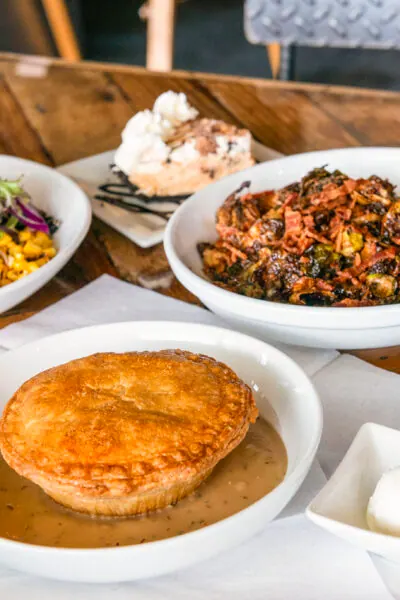
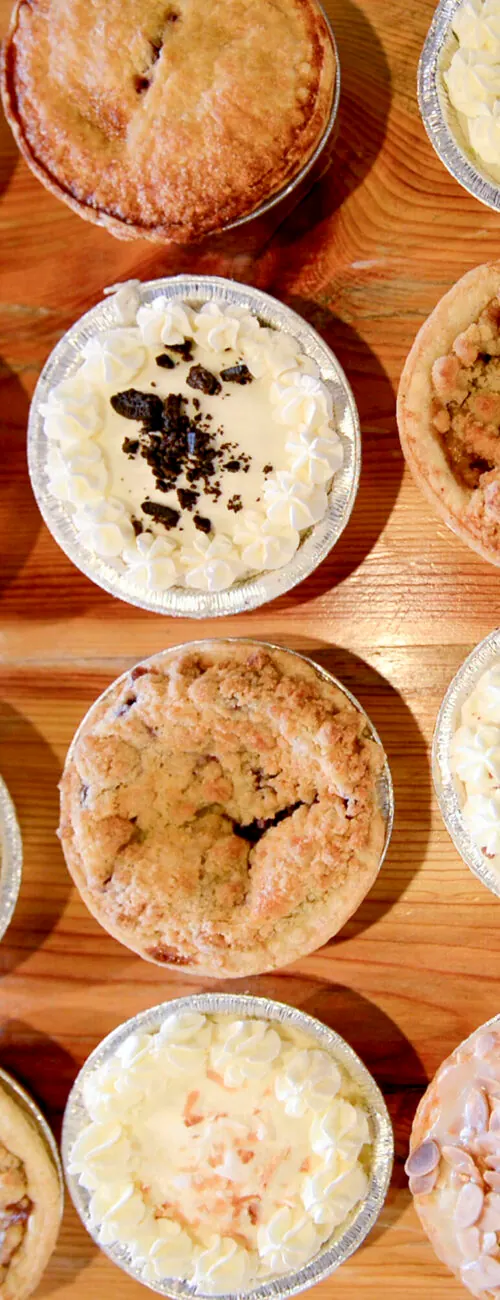
Colorado Springs has never felt like a one-note food town. People often talk about the breweries, the green chile, the weekend brunch lines, or the way altitude changes how bakers work. Yet dessert is where the city shows a quieter kind of personality. It is less flashy, more local, and often more memorable. Among the names that come up when people start talking about where to end a meal, or where to build an afternoon around sugar and coffee, the phrase pie cafe colorado springs has a pull that makes sense the moment a proper slice lands in front of you.
Pie, when it is done well, has a way of slowing people down. It is not engineered for speed. A good pie asks for patient dough work, balanced fillings, a careful bake, and enough confidence to stop before sweetness overpowers everything else. That is part of why pie cafés feel distinct from other dessert spots. They tend to attract people who care about texture, seasonality, and comfort. They invite conversation rather than a quick transaction.
What makes the idea of a pie café in Colorado Springs especially appealing is the setting itself. This is a city where a dessert stop can come after a windy hike, a downtown meeting, a family errand run, or an aimless Sunday drive. You can arrive slightly cold, slightly tired, and suddenly the ritual of coffee plus pie feels less like indulgence and more like restoration. That is not marketing language. It is a practical truth anyone who has spent time in mountain-adjacent towns understands. Temperature, altitude, and active days make warm pastries taste better.
Why pie still matters in a dessert town full of options
Cupcakes photograph well. Ice cream suits summer. Doughnuts own the early morning crowd. Pie survives every trend because it does several jobs at once. It can be rustic or polished. It works for breakfast if nobody is feeling too strict, and it can absolutely hold its own at the end of a serious dinner. It also offers range. Fruit pies bring brightness and acidity. Cream pies lean rich and old-school. Nut pies carry depth and chew. Savory versions blur the line between dessert stop and lunch destination.
That flexibility matters in a place like Colorado Springs, where a café has to serve more than one kind of customer. A good pie café is rarely just for tourists. It has to satisfy regulars, office workers, retired couples, parents with children, and the solo customer who wants a corner table and twenty quiet minutes. Pie supports that kind of broad appeal better than many desserts because it feels familiar without feeling boring.
The best versions also reveal technical skill in a way casual diners can sense immediately, even if they cannot name it. People know when a crust is tough. They know when fruit filling tastes canned, over-thickened, or flat. They know when whipped cream comes from a can instead of a mixing bowl. Pie is honest food. It exposes shortcuts.
What separates a great pie café from a merely pleasant one
The strongest dessert stops do not rely on novelty alone. They are built around repeatability. A memorable pie café does not need twenty-six flavors in a case. It needs a smaller lineup executed with discipline, and it needs enough variety that each style earns its place.
When I judge a pie counter, I start with the crust before anything else. In Colorado, where climate can dry dough fast and altitude can complicate baking times, crust tells you whether the kitchen understands its craft. The ideal bite should shatter slightly at the edge, then soften under the filling without becoming wet paste. All-butter crusts can be gorgeous when handled with care, though some bakers still prefer partial shortening for structure. Either approach can work. The question is whether the baker respected the dough. Overworked dough tastes tired.
Fillings come next, and this is where pie café colorado springs searches usually lead people toward stronger local favorites rather than generic bakery cases. Colorado diners tend to appreciate flavors that taste real. Peach should taste like peach, not syrup. Apple should keep some shape instead of collapsing into sweet mush. Chocolate cream should be deep and almost restrained, not candy-like. Lemon should sharpen the palate rather than coat it in sugar.
Temperature is another detail customers underestimate. Fruit pies often show best slightly warm or at room temperature. Cream pies need enough chill to hold clean slices. A café that serves everything at one uniform temperature is usually treating pie as inventory rather than as a finished product. That sounds small, but it changes the experience completely.
Coffee matters too, more than many dessert businesses admit. Pie without decent coffee is a partial success. The beverage needs enough bitterness and body to keep the whole thing from feeling heavy. Even a simple drip coffee can do the job if it is fresh and properly brewed. Tea can be an excellent match as well, especially with citrus or berry pies, though cafés often underplay it.
The atmosphere people actually remember
Most guests do not leave a dessert stop talking only about pastry technique. They remember how the room felt. Pie cafés are emotional spaces. They trade in nostalgia, but the best ones do not become trapped by it. There is a difference between cozy and cluttered, between charming and frozen in time.
In Colorado Springs, the most appealing dessert spaces usually strike a balance between warmth and practicality. They are bright enough to feel inviting in the afternoon, comfortable enough to encourage lingering, and casual enough that nobody worries about whether pie requires a special occasion. The room should support the food rather than compete with it. That often means clean lines, a few personal touches, and seating designed for both pairs and solo visitors.
There is also something to be said for pace. A good café should move efficiently without making dessert feel rushed. If the counter interaction feels transactional, the whole premise weakens. Pie is not fast food. Even a brief recommendation from staff can elevate the visit. A simple “the cherry is especially good today” carries more weight than an over-rehearsed spiel.
Small operational choices often reveal whether a place understands hospitality. Are forks sturdy enough for flaky crust? Are slices plated neatly, or dropped onto dishes like afterthoughts? Is whipped cream added with care or slapped on because it is expected? None of those details are dramatic, but together they determine whether a café becomes part of someone’s routine.
The flavors worth seeking out
A serious pie café should be able to handle both the classics and the house specialties. The classics are not optional. If a shop cannot produce a convincing apple, pecan, or chocolate cream, it has not earned the right to distract customers with flashy combinations. At the same time, signature flavors are often where personality shows.
In Colorado Springs, seasonality can become a real advantage. Summer fruit pies can be bright and juicy, especially when berries and stone fruits are treated with restraint. Fall invites deeper spice, firmer apples, and richer custards. Winter is where chocolate, nut, and cream pies often shine. Spring can be the trickiest season, but it rewards cafés that use citrus, early berries, or lighter textures.
If I had to judge a pie café by a short tasting spread, I would look for these five categories:
- a fruit pie with enough acidity to stay lively
- a cream pie with clean structure and real depth
- a nut-based pie that balances sweetness and toastiness
- a seasonal special that reflects local judgment rather than gimmicks
- a plain slice of quiche or savory pie, if offered, because savory skill often reveals pastry discipline
That last point is worth pausing on. Savory pies are not just a side business. They can be a quiet marker of talent. A baker who understands how to support eggs, cheese, vegetables, or meat in pastry usually understands moisture control, seasoning, and bake timing at a high level. Dessert benefits from that same discipline.
How pie fits into a day in Colorado Springs
One reason pie café culture works so well in Colorado Springs is that the city lends itself to partial-day adventures. People are often moving between outdoor plans and indoor recovery, between errands and scenic detours. A pie stop slips naturally into that rhythm. It can be the destination or the pause.
Picture a cold-weather afternoon after time in the foothills. Boots are dusty, faces are wind-burned, and everyone wants somewhere warm without the commitment of a full meal. Pie is perfect there. It feels earned. On a summer day, the logic changes. A chilled cream slice or fruit pie after a hot walk downtown has a different appeal, less cozy and more refreshing, though still richer and more grounded than ice cream.
This matters for cafés because the best ones understand traffic patterns. They know their crowd may surge after lunch, after school, or near dinner when people are deciding whether dessert happens at home or out. A well-run pie café plans around those windows. Empty cases late in the day can signal popularity, but too many sellouts can also frustrate locals who stop by regularly. It is a delicate balance between freshness and availability.
For visitors, pie can also become an unexpectedly good read on the city itself. Restaurants on travel itineraries are often selected for spectacle. Dessert spots are where local habits become visible. You notice who lingers, who chats with staff by name, who orders whole pies for gatherings, who takes one slice to go and who sits down with coffee. Those patterns tell you what kind of place you are in.
Practical signs you have found a place worth returning to
Some dessert stops impress once and fade fast. Others become part of your mental map almost immediately. The difference usually comes down to consistency and self-awareness. A pie café does not need to be everything. It simply needs to know what it does best and protect that standard over time.
When I return to a café, I watch for a few practical signals. The menu may shift, but the quality floor should stay high. Staff should be able to describe flavors without guessing. Seasonal pies should arrive because ingredients support them, not because a calendar demands them. And perhaps most importantly, the café should not seem embarrassed by simplicity. A humble apple pie done exactly right can outclass a showy slice with six competing flavors.
The value question matters too. Pie is labor-intensive, and pricing should reflect that without drifting into absurdity. Most customers are willing to pay more for handmade pastry when the quality is obvious. They become skeptical when portion size shrinks or when premium prices mask average baking. Good cafés understand this. They portion generously enough to feel fair, especially for dine-in slices, and they package takeout carefully so crust arrives intact.
If you are evaluating a pie stop for the first time, this quick checklist helps:
- order one classic flavor and one house specialty
- pay attention to crust texture before the filling dominates
- notice whether coffee holds up to the dessert
- check if the sweetness level feels deliberate or lazy
- see whether you would return even without a special occasion
That last test is the most revealing. Plenty of places are enjoyable once. The best dessert stops create routines.
Why nostalgia alone is not enough
Pie invites memory, and many cafés lean hard into that association. There is nothing wrong with comfort. In fact, comfort is part of the point. But nostalgia cannot carry weak baking. Too many dessert businesses confuse old-fashioned branding with old-fashioned standards. Vintage plates, handwritten menu boards, and homey décor help only if the pie itself is excellent.
Professional bakers know that “like grandma made” is not always a technical compliment. Many family pies were wonderful because they were tied to people we loved, holidays we cherished, and tables we no longer gather around in the same way. A café has a different task. It needs to create present-day loyalty, not merely trigger old emotion. That requires stronger execution than sentimentality alone.
Colorado Springs diners are generally sharp on this front. It is a city with enough independent businesses that people can tell when a brand is trying too hard. The places that win affection usually do so by staying grounded. They do not overstate themselves. They serve good coffee, cut honest slices, and let repeat customers spread the word. That kind of reputation grows slowly, but it lasts.
The role of whole pies, takeout, and gatherings
A café earns one kind of trust when it serves a beautiful slice. It earns another when customers start ordering whole pies for birthdays, office dinners, Thanksgiving tables, and neighborhood potlucks. Whole-pie business is a strong signal because people attach social risk to it. If you bring dessert to a group, you want confidence, not experimentation.
This is where pie cafés either become institutions or remain occasional treats. Reliability becomes everything. Crust has to travel well. Fillings need to slice cleanly after transport. Packaging has to protect the top crust and preserve shape. Pickup timing must be organized enough to prevent holiday chaos. These are not glamorous issues, but they matter intensely in real life.
A strong pie café in Colorado Springs can become woven into family routines in a way trendier dessert businesses rarely do. Someone stops in for a slice, then later orders two whole pies for a gathering, then eventually makes the café their standard contribution whenever dessert is needed. That is how local food landmarks are built, one practical success at a time.
It is also why pie often has a longer lifespan than highly stylized sweets. A macaron can impress. A decorated cookie can charm. But a whole pie can anchor a table. It has social presence. It gets cut and passed around. People compare their slices. Someone asks for the last piece. That kind of communal dessert experience still means something.
Searching for pie cafe colorado springs with the right expectations
When people search for pie cafe colorado springs, they are often looking for more than sugar. They want a place that feels dependable, maybe a little personal, maybe worth a drive across town. They may be planning a date, a family stop, or simply trying to replace the disappointment of a dessert that looked better online than it tasted in person.
The right https://marcosuhv619.currentvale.com/posts/pie-cafe-colorado-springs-warm-hospitality-and-wonderful-pies expectation is not perfection in every bite. Even strong bakeries have off days, especially with seasonal fruit and weather-sensitive pastry. What you want is evidence of care. You want a menu shaped by judgment. You want flavors that make sense for the setting. You want a room where dessert can remain a small event rather than a rushed afterthought.
That is ultimately why pie cafés matter. They offer a kind of hospitality that feels slower and more human than much of modern dining. In a city like Colorado Springs, where daily life often moves between rugged scenery and practical routine, that slower pace has real appeal. A good slice, a hot drink, a comfortable table, and a few unhurried minutes can turn an ordinary day into something much more satisfying.
The best dessert stops rarely need dramatic claims. Their case speaks for them. The crust flakes. The fruit tastes alive. The cream filling holds its shape. People come back. For anyone exploring the sweeter side of the city, that is reason enough to keep pie high on the list.
3.14 Pi Bar
5152 Centennial Blvd
Colorado Springs, CO 80919
(719) 314-6172
FAQ About pie cafe colorado springs
Does 3.14 Pi Bar serve sweet and savory pies?
Yes. The café serves savory pot pies and seasonal sweet pies made from scratch. Flavors can vary.
Can I order a whole pie to take home?
Yes. The café sells whole sweet pies to take home. Check the current menu for flavors and ordering options.
Does 3.14 Pi Bar offer take-and-bake pies?
Yes. The café offers prepared pies that you can bake at home. Check the current menu for available varieties.