Best Drunken Noodle Near Me for a Quick Yet Memorable Meal

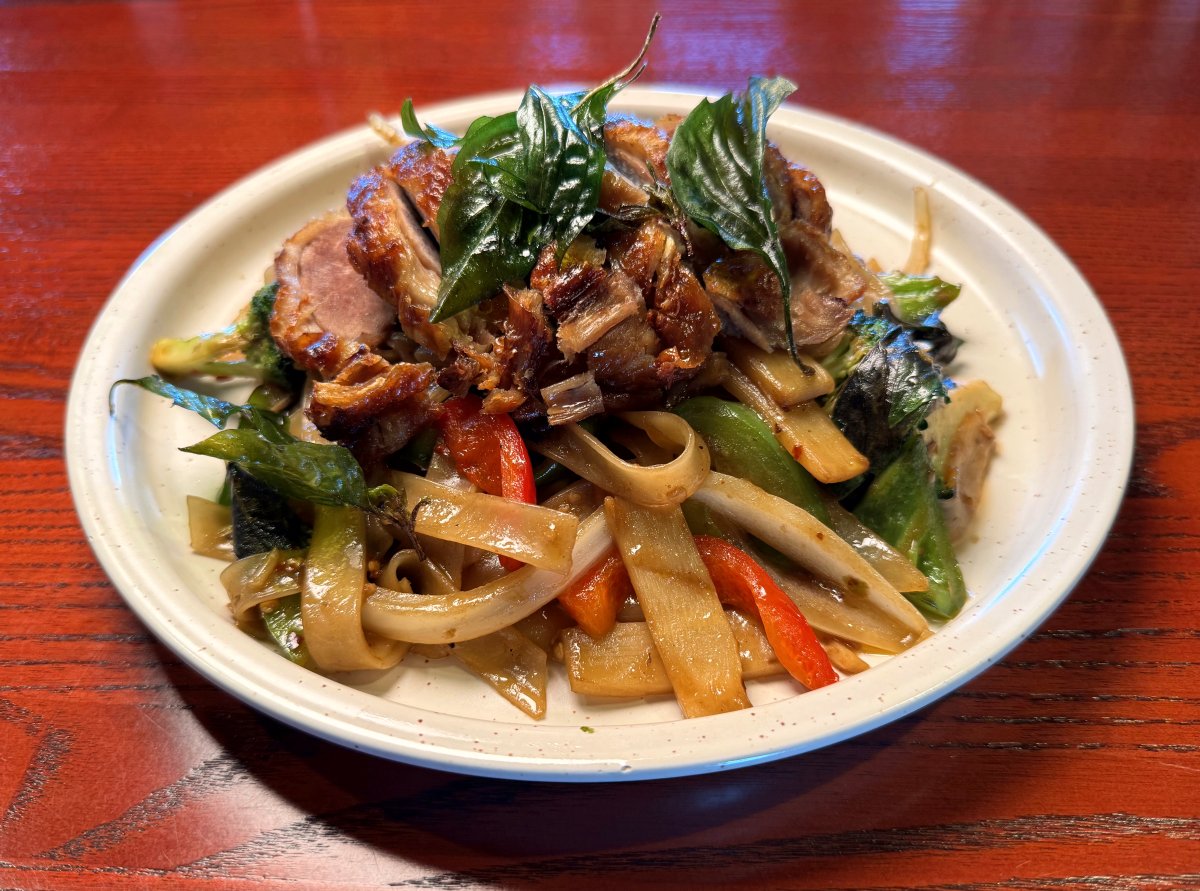
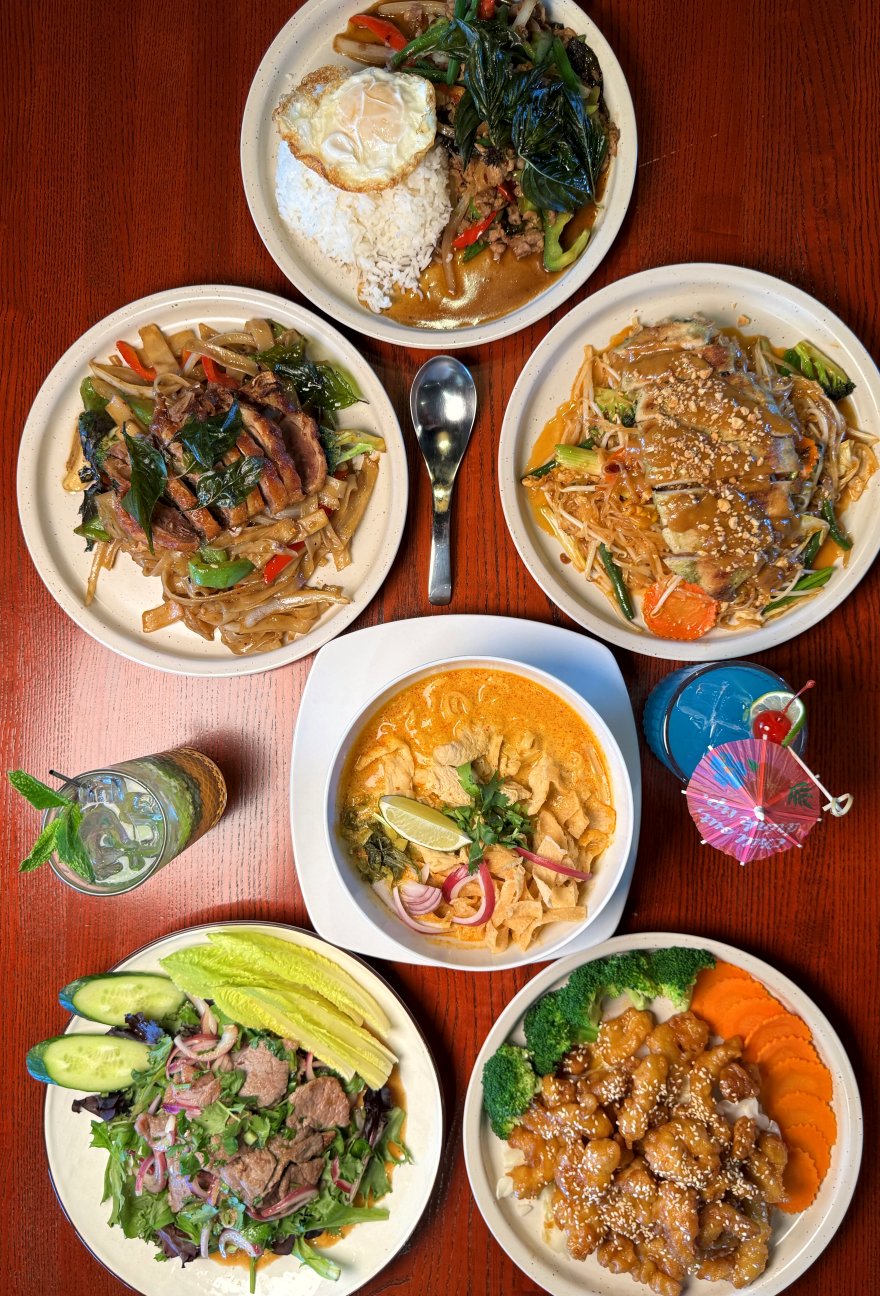
There are meals you plan days ahead, and there are meals you need in the next twenty minutes. Drunken noodle belongs firmly in the second category, yet the best versions linger in memory long after the plate is cleared. That is part of the dish’s appeal. It arrives fast, smells unmistakably of wok heat and basil, and strikes a balance that many quick lunches never manage. It feels comforting without being sleepy, bold without being heavy, and familiar without becoming dull.
When people search for “Drunken Noodles Near Me,” they are usually looking for speed first. They want something close, hot, and satisfying enough to rescue a long workday, a late evening errand run, or that narrow gap between meetings when cooking is out of the question. But proximity alone does not guarantee a good plate. Drunken noodle can be astonishingly good or deeply forgettable depending on how the kitchen handles a few critical details: the noodles themselves, the sauce, the vegetables, the protein, and the all-important wok char that gives the dish its backbone.
A strong plate of Drunken Noodle does not need ceremony. It just needs confidence. Wide rice noodles should stay supple rather than gummy. The sauce should coat rather than drown. Thai basil should lift the whole thing with a peppery, almost anise-like brightness. Chiles should bring heat that builds instead of flattening the palate. When those pieces line up, you get a meal that is quick in execution but anything but throwaway.
What makes drunken noodle worth chasing
Pad kee mao, commonly translated as drunken noodle, earns repeat orders because it satisfies several cravings at once. It offers the chew and comfort of noodles, the fragrance of basil, the depth of soy-based seasoning, and enough chile heat to wake up a tired appetite. Good versions also include a contrast of textures that many fast-casual meals miss. You get tender noodles, crisp vegetables, juicy slices of meat or tofu, and the occasional smoky edge where the sauce caught the wok just long enough to caramelize.
That texture story matters more than most people realize. In my experience, the difference between an average and an excellent order often comes down to whether the cook respects the noodle’s structure. Wide rice noodles are fragile. Let them sit too long and they clump. Over-sauce them and they turn slick and heavy. Underseason them and the whole dish tastes like plain stir-fry with a few chiles thrown in at the end. A good kitchen knows how to move quickly, cook hot, and finish the dish while each component still tastes like itself.
There is also an emotional reason people keep coming back to this dish. Drunken noodle feels generous. Even a modest takeout portion usually looks substantial, and the aroma fills the car or kitchen in a way that fried rice rarely does. Open the container and the scent of garlic, basil, and seared sauce rises immediately. For a quick meal, that sensory payoff matters. It creates the impression of something made, not merely assembled.
The signs of a great plate when you are ordering fast
If you are hungry and scanning a menu on your phone, you do not have time for a long investigation. Still, a few clues can save you from a bland or greasy order.
Start with the restaurant’s own description. If the menu mentions Thai basil, fresh chiles, wide rice noodles, and vegetables such as bell pepper, onion, or baby corn, that is usually a good sign. It suggests the kitchen understands the dish as more than “spicy noodles.” Menus that describe drunken noodle in vague terms often serve a generic stir-fry that lacks the basil-heavy character people expect.
Photos can help, although they are not always reliable. What you want to see is sheen, not soupiness. The noodles should look glossy and lightly charred in places, not submerged in dark liquid. Fresh basil leaves should still appear green and distinct rather than blackened into the sauce. Vegetables should look cooked but not defeated. If everything in the photo has collapsed into a uniform brown mass, that usually reflects either overcooking or too much sauce.
Reviews are most useful when they mention specifics. “Fast service” tells you something. “The noodles had real wok flavor, the basil came through, and medium spice was genuinely medium” tells you much more. I generally trust comments about noodle texture and spice calibration over broad claims like “best Thai food ever,” which tend to reveal enthusiasm rather than precision.
One small but revealing indicator is whether the restaurant offers meaningful spice levels. Kitchens that regularly cook drunken noodle tend to know that heat preferences vary widely. A well-run place often distinguishes clearly between mild, medium, hot, and very hot, or gives a short note explaining that their medium already carries real heat. That kind of clarity often reflects a kitchen that pays attention.
Why proximity matters, but only up to a point
The phrase “near me” changes how people choose restaurants. When you want a fast meal, distance affects quality in a practical way. Drunken noodle travels reasonably well, but not indefinitely. After about fifteen or twenty minutes in a sealed container, steam begins to soften the noodles and wilt the basil beyond its ideal point. A restaurant that is five minutes farther away might still be worth it if the kitchen cooks with more skill, but once the trip gets too long, even excellent noodles can lose their edge.
That is why the best drunken noodle near you is not always the most authentic spot in the city or the place with the highest ratings overall. It is often the place that lands in the sweet spot between quality and travel time. A restaurant with a strong wok station ten minutes away may give you a more satisfying meal than a destination restaurant across town, especially on a weeknight when hunger and traffic are competing realities.
Timing also matters inside the restaurant. Some places thrive during lunch because their line cooks are moving constantly and the wok is already ripping hot. The same restaurant might struggle on a slow mid-afternoon lull when ingredients have been sitting and the kitchen is not fully in rhythm. Others are stronger at dinner because the lead cook works evenings. Regulars learn these patterns. If you find a place whose drunken noodle is especially good between noon and two or after six-thirty, that is useful intelligence.
The anatomy of flavor
A memorable Drunken Noodle works because no single note dominates for too long. Salt, heat, sweetness, smoke, and herbaceous freshness should trade places as you eat. The first bite might register as savory and slightly sweet. The second draws more chile. Then the basil appears, followed by garlic and the toasted depth that comes from high-heat stir-frying. That movement is what makes the dish feel alive.
The sauce deserves special attention here. Many diners assume drunken noodle is simply hotter pad see ew, but the two dishes are not interchangeable. Pad see ew usually leans deeper into sweet soy richness and gentler seasoning. Drunken noodle should feel more assertive, more aromatic, and less soft-edged. If the noodles taste predominantly sweet, with little basil or chile personality, the kitchen has missed the point.
Vegetables are not filler in this dish. Onion adds sweetness and structure. Bell pepper contributes brightness and crunch. Baby corn, carrot, or broccoli can work depending on the house style, though too many vegetables can make the dish read like a generic stir-fry. The best balance is enough produce to add texture and freshness without taking over the noodle-to-sauce ratio.
Protein choice changes the experience more than many menus suggest. Chicken is common and often the safest order, especially if the kitchen slices it thin and cooks it quickly. Beef can be excellent in a hotter, smokier version, though it risks turning chewy if overdone. Shrimp brings sweetness but can disappear against a strong sauce unless handled carefully. Tofu, when pressed and seared well, absorbs flavor beautifully and gives the basil room to stand out. Crispy pork or duck, where available, can make the dish richer and more indulgent, though less suited to an everyday quick lunch.
How to judge a restaurant after one order
One order tells you a lot if you know what to notice. The first measure is aroma. Before you taste anything, the dish should smell layered, not just salty. Basil and garlic should be evident. If all you get is soy and oil, the kitchen may be leaning on shortcuts.
The second measure is how the noodles separate. A chopstick lift should pull up distinct ribbons rather than a dense clump. Even in takeout form, good drunken noodle keeps some elasticity. If the noodles are breaking apart, sticking together, or turning pasty, they were probably mishandled before packing or sat too long.
The third measure is whether the spice level supports rather than overwhelms. Heat should build steadily as you continue eating. A dish that is merely painful in the first two bites often lacks balance elsewhere. On the other hand, a version labeled hot that barely tingles may indicate a kitchen cooking for the broadest possible palate.
Finally, pay attention to whether you want another bite immediately after swallowing the first. That sounds simplistic, but it is one of the most reliable tests I know. Excellent drunken noodle creates momentum. The combination of savory depth, basil fragrance, and mild sweetness invites the next forkful almost before you think about it.
The common ways kitchens get it wrong
There are a handful of mistakes that show up again and again. The first is excess sauce. This often happens in restaurants trying to make the dish seem generous or flavorful, but the result is heavy and one-dimensional. Wide rice noodles absorb liquid quickly, so a sauce-heavy plate becomes sticky by the time it reaches your table.
The second is underpowered heat from the wok. Drunken noodle should taste stir-fried, not merely warmed through. Without enough heat, the noodles steam instead of sear, and the sauce never develops that slightly smoky, caramelized edge that makes the dish memorable. This is especially common during off-peak hours or in kitchens balancing too many ticket types on equipment not built for serious wok cooking.
A third problem is timid basil usage. Thai basil is not garnish here. It is central to the dish’s identity. Some restaurants add only a few torn leaves at the end, which leaves the noodles tasting generic. Others use Italian basil when Thai basil is unavailable, which can still be pleasant but changes the character. If you order often from one place, you can usually tell when they had the right herb in the kitchen and when they improvised.
The fourth issue is poor packing for takeout. A tightly sealed container traps steam and softens everything. This is sometimes unavoidable, but better operators use containers that give the noodles a bit of room rather than pressing them into a dense block. If a restaurant consistently serves excellent dine-in drunken noodle but mediocre takeout, packaging may be the culprit rather than the cooking.
Ordering with better odds
If you are trying a new place, it helps to be slightly strategic. Keep modifications minimal on the first order so you can understand the kitchen’s baseline. If you dislike mushrooms or prefer tofu, that is reasonable, but avoid turning the dish into a custom build with six omissions and three additions. Drunken noodle depends on balance, and the more variables you introduce, the harder it is to judge whether the restaurant cooks it well.
Spice level is worth treating carefully. At a new restaurant, medium is often the smartest first step unless you already know the kitchen serves very mild food. Thai restaurant heat can vary wildly even within the same city. One cook’s medium feels like another cook’s hot. Starting in the middle gives you room to adjust next time, rather than spending lunch fighting through a plate you cannot enjoy.
If you are ordering during a rush, expect some fluctuation. High volume can sharpen a kitchen or strain it. In a strong Thai kitchen, rush periods often improve wok dishes because the station is https://ricardosgwh961.quillnesty.com/posts/best-drunken-noodle-near-me-for-flavor-packed-weeknight-dinners hot and ingredients are moving quickly. In a weaker setup, the same rush can lead to overcooked noodles and hurried seasoning. After a couple of visits, patterns reveal themselves.
What to pair with it, and what to skip
Drunken noodle can stand alone, which is one reason it works so well as a quick meal. Still, there are pairings that elevate it. A crisp iced tea, sparkling water, or lightly sweet Thai iced tea can calm the chiles and emphasize the dish’s aromatic side. If you are especially hungry, spring rolls or a light papaya salad can round out the meal, though I would avoid stacking it with another heavy stir-fry. The point of drunken noodle is that it already does a lot.
I usually skip soup when ordering it for a fast lunch. Soup slows things down, dulls the palate before the noodles arrive, and often leaves you more full than satisfied. A small side of fresh cucumber, if available, does more for the meal than a bowl of something brothy and forgettable. For takeout at home, a squeeze of lime can brighten a flat order, though a truly good plate should not need rescue.
Dine-in versus takeout, a real trade-off
For sheer quality, dine-in has the edge. Drunken noodle is best in the first few minutes after cooking, when the noodles are glossy, the basil is vivid, and the wok aroma is strongest. If you have the time to eat on-site, even at a modest strip-mall Thai spot with fluorescent lighting and simple tables, you usually get the better experience.
That said, this dish survives takeout better than many fried items or delicate curries. It remains satisfying on a desk, in a parked car, or at a kitchen counter. The key is eating it promptly. Letting the container sit for half an hour while you finish emails is the easiest way to turn a promising meal into a sticky brick. If you need to wait, crack the lid slightly to release steam. That one small move can preserve texture more than people expect.
Delivery introduces another variable, and not always a friendly one. Motorbike or car transit, stacked orders, and waiting times outside apartment doors all work against noodle texture. If you are serious about finding the best “Drunken Noodles Near Me,” pickup often gives better results than delivery from the same restaurant. The quality gap can be substantial.
Why memorable food does not have to be elaborate
One of the pleasures of Drunken Noodle is that it reminds us memorable food is not always slow, rare, or expensive. A dish can be deeply satisfying because it gets the fundamentals right at the exact moment you need it. You are hungry, time is short, and one well-executed stir-fry manages to feel nourishing, vivid, and complete. That is a different kind of culinary success than a tasting menu, but it is no less real.
I have had excellent drunken noodle in polished dining rooms and in family-run places wedged between a dry cleaner and a phone repair shop. The best versions shared the same core traits: restraint with sauce, confidence with heat, plenty of basil, and noodles that still had life. They did not need elaborate plating or trend-friendly twists. They only needed a cook who understood that speed and care are not opposites.
That is the useful lens when searching for the best drunken noodle near you. Look beyond star ratings alone. Think about distance, takeout time, how the menu describes the dish, and whether the kitchen respects the essentials. A good plate should arrive fast, but it should also make you pause after the first bite and register that this was a better choice than the sandwich you almost ordered.
A quick meal becomes memorable when it feels intentional. Drunken noodle, at its best, does exactly that. It meets the moment, then exceeds it.
Nakhon Luang Thai Kitchen
Address: 805 Village Center Dr, Colorado Springs, CO 80919
Phone number: +17195315175
FAQ About Drunken Noodles Near Me
What makes it drunken noodles?
Drunken noodles, or Pad Kee Mao, get their name from the Thai word khi mao (meaning "drunkard"). They contain no alcohol. The name comes from the idea that the dish is a popular late-night meal to cure a hangover or a great food to eat with a cold beer.
What is the difference between pad see ew and drunken noodles?
While both Pad See Ew and Drunken Noodles use the same wide rice noodles, Pad See Ew is a mild, sweet-savory dish made with dark soy sauce and Chinese broccoli, whereas Drunken Noodles (Pad Kee Mao) are fiery, garlicky, and herbaceous with fresh chilies and Thai basil.
What are traditional drunken noodles?
Traditional drunken noodles, known as Pad Kee Mao in Thai, are a fiery, savory street food stir-fry made with wide flat rice noodles, fresh garlic, lots of hot chilies, meat or tofu, and fragrant holy basil. Despite the name, they contain no alcohol; the dish is traditionally eaten late at night or as a hangover cure because the intense spice helps clear the head.